Health and Safety Policy for Commercial Waste Soho
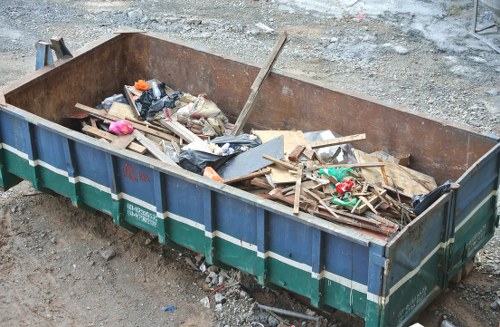 Commercial Waste Soho operates with a clear commitment to health and safety across all rubbish company service areas. This policy sets out responsibilities and safe systems for the handling, transport and disposal of commercial refuse in Soho and surrounding service zones. It ensures staff, contractors and site visitors are protected through risk assessment, training and appropriate controls while maintaining continuity of waste collection and recycling services.
The policy applies to every activity undertaken by the rubbish company Soho team, from manual handling at customer premises to vehicle operations and depot procedures. All employees are expected to follow safe working instructions, use provided safety equipment and report hazards. Senior managers are responsible for maintaining a proactive safety culture that balances operational efficiency with rigorous protection measures for people and property.
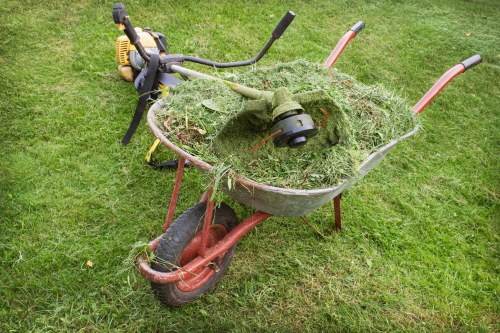 Scope and objectives: The main objective is to reduce incidents and occupational ill-health while ensuring compliance with applicable standards for commercial refuse collection Soho. Objectives include preventing slips, trips and falls, controlling exposure to sharps and hazardous materials, managing manual handling risks, and ensuring safe loading and unloading of waste containers at customer sites and on vehicles.
Risk management is central to this policy. Systematic risk assessments will be conducted for routine tasks, new activities and customer-specific jobs. Controls follow the hierarchy of risk reduction: avoid, reduce, substitute, isolate, engineer, administrate and provide personal protective equipment. Managers will review assessments regularly and after significant changes to operations or following an incident involving the Soho waste services fleet or operatives.
Training and competence are essential. All operatives receive induction training covering safe lifting techniques, hazardous waste segregation, vehicle safe systems of work and emergency procedures. Refresher training is scheduled periodically and whenever procedures change. Supervisors carry responsibility for ensuring competence when assigning tasks related to commercial refuse collection in Soho.
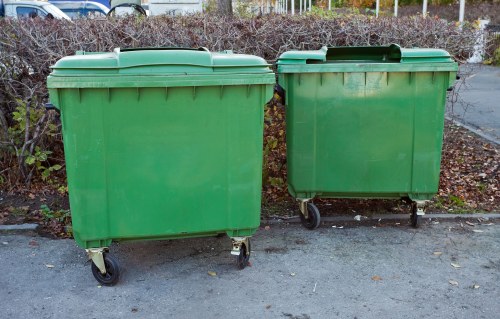 Equipment, vehicles and maintenance: Vehicles and handling equipment used in rubbish removal Soho are maintained to a high standard with scheduled inspections. Faults are reported immediately and taken out of service if unsafe. Operators must follow vehicle loading limits, secure loads and use appropriate lifting aids and mechanical handling equipment to reduce manual handling risk and prevent injuries.
Personal protective equipment (PPE) is supplied where required and must be worn correctly. Typical PPE includes gloves, high-visibility clothing, steel-toe footwear and eye protection. Respiratory protection is available for tasks involving dust or airborne contaminants. Employees are trained in the correct selection, use and care of PPE for waste handling, recycling sorting and depot duties within the commercial waste Soho remit.
Controlling hazardous waste is a priority. Waste streams that present chemical, biological or sharps hazards are identified, segregated and handled using specific procedures. Staff are trained to recognise hazardous items, safely contain them and notify supervisors for specialist handling. Clear labelling, secure containment and approved transfer processes reduce the risk to operatives and the public during rubbish collection Soho operations.
Emergency response plans are in place for spills, vehicle incidents, fire and medical emergencies. These include clear roles, communication steps and access to emergency equipment. Incident reporting and investigation ensure lessons are learned and preventive actions applied. The policy promotes quick intervention to protect people and the environment while restoring safe working conditions for the Soho commercial refuse teams.
Contractors and visitors must comply with this health and safety policy and the site rules applicable to each depot or customer location. Contractors are vetted for competence and provided with site-specific information. Supervision is provided until they can demonstrate safe working practices that align with the standards expected by the commercial waste in Soho operation.
Monitoring and performance measurement include regular audits, toolbox talks and key performance indicators for accident rates, near misses and compliance with safety checks. Senior leadership reviews safety performance and resource needs to maintain continuous improvement in the delivery of safe rubbish collection and waste management services across the Soho service area.
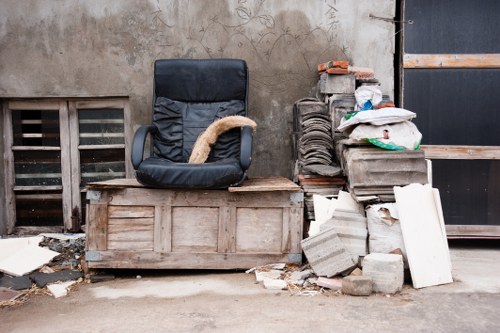 This policy is supported by documented procedures, safe work method statements and training records. It is available to staff and is reviewed at planned intervals or when operational changes occur. Management commits to providing sufficient resources to implement control measures, improve training and sustain a safe working environment for all parties involved in Soho waste services.
Accountability and continuous improvement
Roles and responsibilities
Directors retain overall responsibility for policy approval and allocation of resources. Operational managers implement procedures and ensure risk assessments, supervision and training. Employees have duties to act safely, report hazards and participate in safety initiatives. Together, these responsibilities create a resilient framework for delivering secure and reliable rubbish company services in Soho and adjacent areas.Review and change control: This policy will be reviewed annually or after significant incidents to ensure it remains effective and up to date. Changes to fleet, equipment, staff structure or service models that affect safety will trigger a review. Continuous improvement is achieved through audit findings, employee feedback and lessons learned from incidents, always aiming to reduce risk and enhance service reliability.
Conclusion: Maintaining health and safety standards for commercial refuse collection Soho is integral to professional waste management. Through robust risk management, training, safe equipment use and clear responsibilities, the policy seeks to protect people, assets and the environment while delivering efficient rubbish removal and waste services throughout the designated service area.
