What to know about urgent rubbish collection in Soho
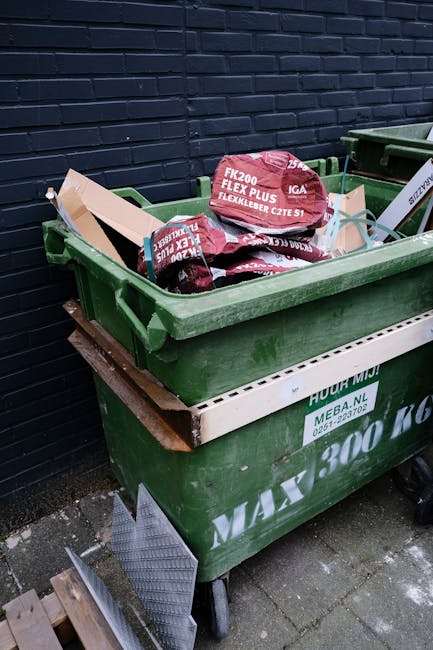
If you need urgent rubbish collection in Soho, chances are you are dealing with a messy, time-sensitive problem and want it gone now rather than "sometime this week." Maybe a flat clearance has run over, a shop needs a back room emptied before opening, or builders have left more debris than anyone expected. In Soho, where space is tight and access can be awkward, that pressure feels even bigger. The good news is that a fast, well-planned collection can make the whole thing feel manageable again.
This guide walks through what urgent rubbish collection actually involves, how it tends to work in Soho, who uses it, what to check before booking, and how to avoid the most common headaches. You will also find a checklist, a comparison table, and a realistic example from a typical Soho situation. No fluff. Just the useful bits.
- Why urgent rubbish collection in Soho matters
- How urgent rubbish collection works
- Key benefits and practical advantages
- Who it is for and when it makes sense
- Step-by-step guidance
- Expert tips for better results
- Common mistakes to avoid
- Tools, resources and recommendations
- Law, compliance, standards and best practice
- Options and comparison
- Case study or real-world example
- Practical checklist
- Conclusion
- Frequently asked questions
Why What to know about urgent rubbish collection in Soho Matters
Soho is not a place that gives you much breathing room. Streets can be busy, loading space is limited, and many properties have awkward stairwells, shared entrances, or little patience for piled-up waste. That is exactly why urgent rubbish collection matters here more than it might in a less crowded part of London.
When rubbish starts getting in the way, it is rarely just an aesthetic issue. A blocked hallway can become a safety concern. Overflowing bags can attract pests. A shop or office cluttered with waste can look unprofessional to staff, customers, or visitors. And if you leave it too long, what started as a quick fix can turn into a bigger, more expensive job.
In our experience, people usually call for urgent clearance when the situation has tipped from "annoying" into "needs sorting today." That might be after a renovation, a move-out, an event, a burst of decluttering energy, or a missed collection that has left bins overflowing. Truth be told, Soho has a habit of making small problems feel bigger, simply because there is nowhere to hide the mess.
There is also the simple matter of convenience. If you run a business or manage a property, you do not always have the luxury of waiting for a slow turnaround. A prompt waste removal visit can reset the space and let everyone get back to work without the visual and practical clutter hanging around.
Expert summary: Urgent rubbish collection is not only about speed. In a dense area like Soho, it is also about access, timing, safe handling, and clearing waste in a way that does not create new problems for neighbours, staff, or customers.
How What to know about urgent rubbish collection in Soho Works
Urgent rubbish collection usually follows a fairly simple process, although the details depend on the property, the type of waste, and how fast the job must happen. The best services will ask enough questions to understand the load properly before they send a team out. That saves time, and, frankly, saves everyone from a frustrating second trip.
Most urgent clearances start with a quick description of what needs removing. You may be asked about the type of waste, approximate volume, access restrictions, and whether the items are heavy, awkward, or potentially hazardous. If you can send photos, that often helps a lot. A back lane in Soho can look "fine" in a phone call and turn out to be a very different story in person.
Once the job is confirmed, a team is scheduled for the earliest available slot. For same-day or next-day jobs, the main challenge is often coordination rather than the actual lifting. This is especially true in central London, where traffic, parking, and narrow access can affect arrival times.
On arrival, the team will usually assess access, identify any items that need special handling, and begin loading the waste. For mixed waste, they may separate recyclable materials from general rubbish where practical. That is a small detail, but an important one. It can affect how the waste is processed and whether the service is aligned with your recycling or sustainability goals.
After collection, the space is typically left swept through and ready for use again, depending on the service level agreed. If there is follow-up disposal paperwork, especially for business or regulated waste streams, that should be provided or explained clearly. If not, you should ask. It is one of those things people forget in the rush, then regret later.
Key Benefits and Practical Advantages
The obvious benefit is speed. When rubbish is blocking access, building up near a shopfront, or making a property unpleasant to use, urgent collection gets things back under control quickly. But there are a few less obvious advantages too.
1. Less disruption. A fast collection reduces the amount of time staff, tenants, or customers have to work around the mess. That matters in Soho, where operations often run on tight schedules and short windows.
2. Lower risk of complaints. Overflowing waste can attract attention fast. A quick clearance helps avoid friction with neighbours, building managers, and anyone else who has to pass by. Nobody wants a passive-aggressive note through the door. Nobody.
3. Better presentation. If you are preparing a flat for handover, an office for visitors, or a shop for opening, a clear space immediately improves how it feels. That first impression matters more than people admit.
4. Safer movement through the property. Loose items, bags, cardboard, broken furniture, and renovation debris can all create trip hazards. Removing them sooner rather than later is just sensible.
5. More flexibility than a skip in many cases. In a place like Soho, a skip is not always the easiest answer. Access, permits, street space, and timing can all make an on-site skip more complicated than people expect. A man-and-van style collection or direct load service may be much simpler.
There is also a psychological benefit, and it is real. Once the waste is gone, the whole project often feels easier. You can think again. You can see the floor. You can decide the next step without the visual noise. Small thing, maybe. But it changes the mood of the place fast.
Who This Is For and When It Makes Sense
Urgent rubbish collection in Soho is useful for a surprisingly wide range of people. It is not just for emergencies in the dramatic sense. Sometimes it is simply the quickest sensible answer to a problem that cannot wait.
Property managers and landlords often need it after tenant move-outs, end-of-lease clearances, or last-minute repairs. If a flat or office needs turning over quickly, waste can be the thing that slows everything else down.
Business owners in Soho use urgent rubbish removal when stock packaging, broken fixtures, old furniture, or renovation leftovers need clearing before trading hours. Restaurants, studios, shops, and small offices all run into this. Soho is busy, and business does not always pause for clutter.
Homeowners and tenants may need help after a declutter, a minor refurbishment, or a rapid move. If you are staring at piles of unwanted items in a tight flat, it can be hard to know where to start. That is a normal feeling.
Builders and tradespeople often need rapid clearance of rubble, timber, packaging, plasterboard, or broken fittings so they can keep the job moving. Delays are annoying enough without waste getting in the way of the next stage.
Event organisers and venue teams may also need a quick turnaround after a function, especially where seating, food packaging, decor, or broken items need to be removed before the next booking.
So when does it make sense? Usually when the waste is affecting access, safety, time, presentation, or compliance. If you are wondering whether it is worth paying for urgent collection rather than waiting, ask yourself one question: what is the cost of leaving it there another day? Sometimes the answer is small. Sometimes it is not.
Step-by-Step Guidance
If you want the process to go smoothly, it helps to treat urgent rubbish collection like a quick project rather than a panic call. A little preparation goes a long way.
-
Identify exactly what needs removing. Make a rough list: bags, cardboard, furniture, builders' waste, appliances, or mixed junk. If there is hazardous material, say so early. Do not leave it until the end. That causes delays and, in some cases, extra handling requirements.
-
Separate what can stay from what must go. If there are items you want to keep, move them out of the collection zone. It sounds obvious, but in a busy flat or office it is easy to overlook one box and suddenly wonder where it went. Happens more often than people admit.
-
Check access. Note stairs, narrow doorways, lift limits, loading restrictions, parking challenges, and any building rules. Soho access can be the real bottleneck, not the waste itself.
-
Send photos if possible. Photos help the collection team understand the volume and shape of the job. A picture of a cramped basement or a pile of flat-pack packaging can reveal far more than a short description.
-
Ask what is included. Some services cover labour, loading, sweep-up, and disposal; others separate the pricing. It is better to ask upfront than to play detective later.
-
Confirm timing and arrival window. Urgent does not always mean instant. A realistic window is better than an unrealistic promise. In central London, traffic can be a nuisance at the best of times.
-
Prepare the waste for easy access. If you can move items into one place near the exit, it can shorten the job. That might be a hallway corner, a loading area, or a ground-floor room. Just keep fire exits and communal areas clear.
-
Check the result before the team leaves. Walk through the space and make sure the right items have gone. If anything was missed, speak up there and then. It is much easier to fix on site than later over email.
That is really the heart of it. Clear the path, clarify the load, confirm the timing, and let the team do the heavy lifting. Simple enough, though the Soho parking gods may still roll their eyes a bit.
Expert Tips for Better Results
A few practical habits can make urgent rubbish collection noticeably smoother. These are the sorts of things people learn after a couple of tricky jobs, not from glossy brochures.
Be precise about the waste type. "A bit of everything" is not very helpful. If the job includes furniture disposal, appliances, building rubble, or confidential papers, mention each category. The more accurate the description, the less room there is for surprises.
Think in access, not just in volume. In Soho, two small bags in a basement can take longer than ten bags sitting by a front entrance. The physical route matters. Stairs, door codes, and loading bays can be the real story.
Ask about recycling where relevant. Many mixed loads can be sorted to some extent. If sustainability matters to you, say so. A reputable provider should be able to explain how recyclable material is handled in plain English.
Keep an eye on timing around the street scene. Soho changes through the day. Early mornings can be calmer. Late afternoons can be more awkward. If your premises face a busy frontage, an earlier collection may save everyone a headache.
Do not wait until everything is at breaking point. Urgent services are there for speed, yes, but the smoother the handover, the better the result. A job that is ready to go is usually quicker, cleaner, and easier to price sensibly.
Take a minute to check the company basics. Insurance, waste handling practices, and clear pricing matter more than a flashy promise of "super-fast removal." Fast is useful. Reliable is better.
One small human note: if you are under pressure and dealing with the mess after a long day, it is very easy to underestimate the amount of rubbish involved. Everyone does it. Better to be honest early than to discover the pile has a second life hidden behind a cupboard.
Common Mistakes to Avoid
Most problems with urgent rubbish collection are avoidable. The tricky bit is that they are usually caused by rushing, not by bad intent.
1. Booking without checking access. Soho access issues can slow a job down fast. If a team cannot park nearby or carry waste through the property safely, the process becomes longer and more costly than expected.
2. Mixing restricted items into general waste. Some items may need special handling. If you are unsure, ask before the appointment rather than hoping it will be sorted later. That is rarely the smooth route.
3. Assuming every urgent job is the same. A same-day office clear-out is not the same as a builders' waste removal or a flat clearance. Different waste types, different handling, different expectations.
4. Forgetting to remove keep-items first. This one bites people all the time. If the team sees it in the collection zone and you have not clearly separated it, confusion can happen. Keep, throw, keep, throw. Nice and obvious.
5. Not asking what happens after collection. If you want details on disposal, recycling, or documentation, ask before the job. Once the rubbish is gone, the conversation becomes more awkward.
6. Choosing solely on speed. Speed matters, but so does professionalism. A rushed service that is careless about loading, damage, or paperwork can create a new problem right after solving the first one.
7. Underestimating how much clutter has built up. This is the classic. A few bags turn into a van-load. A van-load turns into two. Not the end of the world, but it helps to be realistic.
Tools, Resources and Recommendations
You do not need a complicated toolkit to arrange urgent rubbish collection, but a few simple tools make the process easier and more accurate.
- Your phone camera: clear photos of the waste and access points are often the most useful thing you can provide.
- Basic measurements: approximate height, width, and quantity help with load estimation, especially for furniture or bulky waste.
- Labels or notes: if some items are staying and some are going, a quick note on boxes or bags can prevent mix-ups.
- Building or site instructions: door codes, loading bay rules, and contact details for a porter or manager can save time on the day.
- Payment and booking details: having this ready avoids last-minute delays when the team is nearly at the door.
For related reading on how services are usually structured, it can also help to look at general waste removal options, especially if your job is not a one-off emergency but part of a larger clear-out. If the waste is bulky or awkward, furniture clearance and sofa and mattress disposal pages are useful starting points. For office-based jobs, office clearance can help you understand what tends to be involved.
If you are comparing how costs are usually presented, it is also worth checking pricing and quotes so you know what to ask about before you book. And if sustainability is part of your decision, recycling and sustainability gives a clearer idea of how responsible disposal is typically approached.
Law, Compliance, Standards, or Best Practice
Any rubbish collection job in London should be handled with care, but urgent work needs a bit of extra attention because people are often focused on speed first and details second. That is where good practice matters.
For households, the main concerns are usually safe removal, proper sorting, and avoiding fly-tipping or irresponsible disposal. For businesses, there is more to think about: duty of care, correct handling of waste streams, and making sure the chosen service is suitable for the material being collected. If you generate waste as part of trading activities, you should be confident it is being managed by a provider that takes waste responsibility seriously.
Some items need special treatment. That can include hazardous waste, certain electrical items, and materials that should not be mixed with ordinary rubbish. If you are not sure whether something is restricted, do not guess. Ask first. It saves trouble later and keeps the job within sensible bounds.
Health and safety also matters. Heavy lifting in narrow stairways, broken furniture, sharp edges, and cluttered exits all increase the risk of accidents. A professional team should work safely, use appropriate equipment, and avoid damaging communal areas or access routes.
For businesses, confidential paperwork can require extra care too. If documents are involved, a service that understands secure handling is worth considering. It is one of those quiet details that people only think about after the fact.
If you want to see how a provider frames safety and responsibility, you can review their health and safety policy, insurance and safety information, and confidential shredding service where relevant. These pages help you judge whether the company is set up for more than just fast loading.
Options, Methods, or Comparison Table
People often compare a few different ways of clearing rubbish in Soho. The best option depends on urgency, access, and waste type. Here is a straightforward comparison.
| Method | Best for | Pros | Limitations |
|---|---|---|---|
| Urgent rubbish collection | Fast turnarounds, awkward access, mixed loads, same-day needs | Quick, flexible, minimal disruption, often easier in tight streets | Can cost more than non-urgent options; timing depends on availability |
| Skip hire | Larger projects with predictable waste and space for a skip | Useful for ongoing work, good for repeated filling | Needs space, may require permits, less convenient in busy central areas |
| Self-loading and disposal | Small amounts of waste and flexible schedules | Can be cheap if you already have transport | Takes time, labour, and multiple trips; less practical for heavy items |
| Planned clearance service | Non-urgent jobs with time to sort items | Can be more organised and cost-effective | Not ideal when the space needs clearing immediately |
In Soho, urgent collection often wins simply because of logistics. If the street is tight, the property is awkward, or you cannot wait, a direct collection service is often the least stressful route. That does not mean it is always the cheapest. It means it is often the most practical.
If your job includes building debris, you may want to compare it with builders waste clearance. For household-style clearances, house clearance, home clearance, and flat clearance can all be relevant depending on the property type. If the items are particularly bulky, furniture disposal may be the simplest route.
Case Study or Real-World Example
Imagine a small Soho design studio on a Wednesday morning. A client has asked for updated photos later that day, and the team has just finished a mini refit. There are old desk parts, packaging, cardboard, a broken office chair, and a few bags of mixed rubbish sitting near the only sensible exit. Not ideal. The place smells faintly of sawdust and takeaway coffee, and everyone is stepping around the pile like it has developed a personality.
The studio manager does three things straight away. First, she separates anything that is staying. Second, she takes a few photos of the waste and the access point. Third, she checks whether there are any items that might need special handling. Within a short time, the collection is booked and the team knows what they are dealing with.
When the collection arrives, the crew has a clear route, the waste is ready, and the job moves quickly. Because the load was described properly, there is no confusion about what to take. The team removes the waste, leaves the area clear, and the studio is back to normal before the afternoon rush. Small victory, yes, but a real one.
That is what good urgent collection looks like in practice. Not magic. Just preparation, decent communication, and a service that understands tight urban spaces.
Practical Checklist
Use this checklist before you book urgent rubbish collection in Soho.
- Know what needs removing and what is staying
- Take photos of the waste and the access route
- Check for stairs, narrow doors, lifts, and loading restrictions
- Separate any potentially hazardous or restricted items
- Ask what is included in the service price
- Confirm timing and arrival window
- Make sure someone on site can authorise the collection if needed
- Clear a path to the waste so the team can work safely
- Ask about recycling, disposal, or paperwork where relevant
- Do a final walk-through before the team leaves
If you can tick most of these off, your chances of a smooth collection go up a lot. Honestly, that little bit of prep is worth it. Saves stress. Saves time. Saves those awkward "oh, we forgot that pile" moments.
Conclusion
What to know about urgent rubbish collection in Soho comes down to this: act quickly, describe the job clearly, and choose the option that fits the area rather than fighting against it. Soho rewards practical thinking. Tight streets, busy footfall, and awkward access make speed useful, but good coordination is what really keeps the job efficient.
Whether you are clearing a flat, an office, a shop, or a small renovation mess, the best results usually come from simple preparation and a service that understands central London realities. If you get the basics right, urgent rubbish collection stops being a scramble and becomes a sensible, tidy fix. And that is a relief, to be fair.
If you are ready to clear the space and move on with your day, take the next step now.
Get a free quote today and see how much you can save.
Frequently Asked Questions
What counts as urgent rubbish collection in Soho?
It usually means a fast response, often same-day or next-day, for waste that cannot wait. That might be household clutter, office rubbish, bulky items, builders' waste, or mixed junk blocking access or creating a safety issue.
How fast can urgent rubbish collection happen?
It depends on availability, access, and the type of waste. In many cases, the goal is same-day or very soon after booking, but a realistic time window is better than a vague promise. Soho traffic and access can affect timing.
Is urgent rubbish collection more expensive?
Usually, yes, because speed, scheduling pressure, and access challenges can all affect the price. That said, the cost may still be sensible if waiting would cause disruption, lost trading time, or extra hassle.
What types of waste can be collected urgently?
Common examples include general household waste, furniture, office clutter, packaging, cardboard, and many kinds of bulky rubbish. Some items, such as hazardous waste, need special handling, so it is best to ask in advance.
Do I need to sort the rubbish before collection?
Not always, but basic sorting helps. At the very least, separate what is staying from what is going. If you can group similar items together, the collection is usually faster and smoother.
Is urgent collection better than skip hire in Soho?
Often, yes, if access is tight or you need a fast turnaround. Skip hire can work for larger, ongoing jobs, but in central areas like Soho it may be harder to place and manage. The best option depends on your space and timing.
Can I book urgent rubbish collection for a business premises?
Yes. In fact, many urgent jobs are for shops, offices, restaurants, studios, and other commercial spaces. Business collections are often used when waste is affecting trading, access, or presentation.
What should I check before booking?
Check the access route, the type and volume of waste, any restricted items, the timing window, and what is included in the price. If you have photos, send them. It makes the quote and planning much easier.
Will the team remove everything in one visit?
Often they can, but it depends on the amount of waste, the access, and whether any items need special treatment. If the job is larger than expected, it may need more time or an additional visit.
What happens to the rubbish after collection?
That varies by provider and waste type. In general, the material should be transported for proper disposal or recycling in line with standard waste-handling practice. If you want details, ask before booking so there are no surprises later.
Do I need to be present during the collection?
Sometimes yes, sometimes no. If the team needs access instructions, approval, or help identifying what stays and what goes, it is sensible to be there. For straightforward jobs, arrangements can sometimes be made in advance.
What if I have a mix of furniture and general rubbish?
That is very common. Mixed loads are often manageable, but the provider should know in advance so the right vehicle, labour, and disposal plan can be arranged. Furniture may also need different handling from loose rubbish.
How do I avoid hidden charges?
Be specific about the waste, the access, and the timing. Ask what the quote includes, whether labour is covered, and whether any items could change the price. A clear conversation at the start is usually the best protection against surprise costs.